
Premium tyres are the top product lines from the largest, most research-intensive tyre makers, such as Michelin, Bridgestone, Continental, Pirelli and Goodyear. They usually brake shorter, especially in the wet, stay quieter and keep their performance longer as they wear. They also cost more. Whether they are worth it depends on your car, your mileage and how you drive, but for powerful cars, heavy SUVs and high-mileage commuters in the UAE they often pay back in safety and tread life.
What makes a tyre “premium”?
There is no official definition. In practice, the term covers tyres that share several characteristics:
- Heavy research and testing. Leading brands spend large sums on compound chemistry, tread design and testing.
- Original equipment development. Many premium tyres are developed together with car makers and fitted to new cars at the factory.
- Consistent quality control. Tight manufacturing tolerances mean less variation from tyre to tyre.
- Performance across conditions. Good results in wet and dry braking, handling, noise and rolling resistance at the same time.
Mid-range and budget tyres may match a premium tyre on one or two measures, but premium tyres tend to do well on more measures at once.
Tiers at a glance
| Tier | Example brands | Typical strengths | Typical trade-offs |
|---|---|---|---|
| Premium | Michelin, Bridgestone, Continental, Pirelli, Goodyear | Wet braking, balance of qualities, OE fitments | Highest price |
| Upper mid-range | Yokohama, Hankook, Dunlop, Toyo, Falken, Kumho | Good performance, often strong value | Results vary more by model |
| Mid-range and value | Nexen, Giti, Maxxis and many others | Lower price, decent everyday comfort | Wet braking and wear vary widely |
| Budget | Lesser-known imports | Lowest price | Quality and consistency can be poor |
Brand placement is a generalisation. A strong model from an upper mid-range brand can beat a weaker model from a premium brand in independent tests.
Where premium tyres make the biggest difference
Braking distance
In independent tests, the gap between the best and worst tyres in wet braking can be several car lengths. That difference matters most in emergencies. Although UAE rain is rare, the first showers after long dry periods leave oil and dust on the road, making it extremely slippery.
High-speed stability
UAE highways carry long stretches of high-speed driving. Premium tyres with high speed ratings and good heat management stay stable and predictable under sustained load.
Heat resistance
High road temperatures stress tyre compounds and construction. Well-engineered tyres handle heat build-up better, though no tyre is immune if pressures are wrong.
Tread life and consistency
Some premium tyres keep more of their grip as they wear. Others are designed for very long tread life, which lowers cost per kilometre even if the purchase price is higher.
Think in cost per kilometre
A tyre that costs more but lasts much longer can be cheaper over its life. Compare the expected life for your driving, not just the purchase price.
When premium tyres are worth it
- Powerful cars, sports cars and performance SUVs.
- Heavy SUVs and seven-seaters carrying families at highway speeds.
- High-mileage drivers commuting between emirates.
- Cars originally fitted with a specific OE tyre, marked for that model.
- Drivers who want the quietest, most comfortable ride.
When a mid-range tyre may be enough
- Small cars driven mostly in the city at moderate speeds.
- Low annual mileage where tyres age out before they wear out.
- Cars you plan to sell soon.
Even then, choose a well-reviewed tyre and avoid unknown brands with no test history.
OE markings: matching the factory tyre
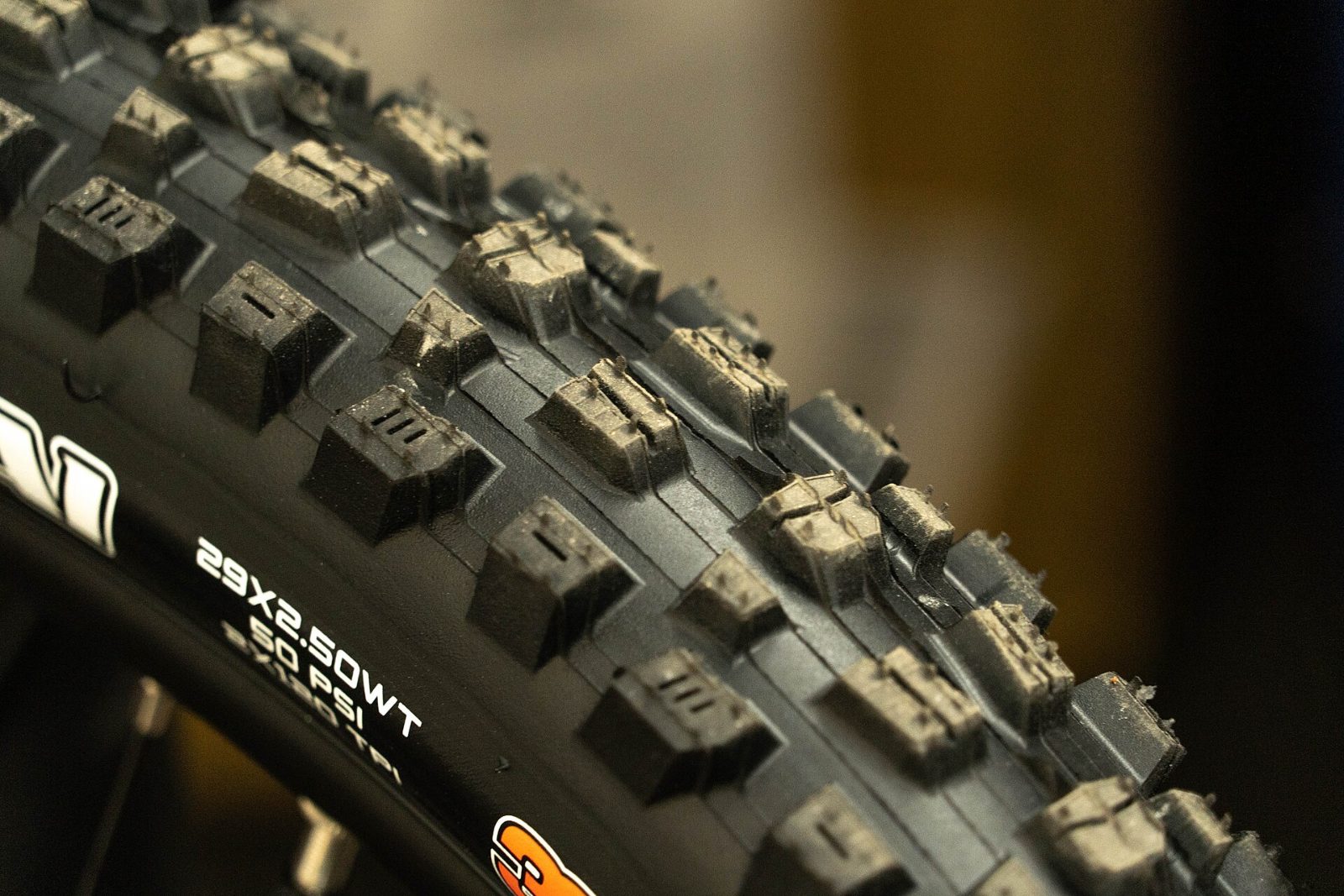
Premium brands often make versions of their tyres specifically for one car maker. These carry sidewall marks, for example an asterisk for BMW, MO for Mercedes-Benz, AO for Audi or N0 to N-numbers for Porsche. Fitting the matching version keeps the car’s handling and comfort as the engineers intended. If you are unsure which version your car needs, check the existing tyres or ask the dealer.
Premium tyres can still be old
Even the best tyre loses performance with age. Check the DOT date code on any tyre you buy and avoid stock that has been sitting for years.
Getting the most from premium tyres
- Keep pressures at the recommended values, checked cold, at least monthly.
- Have alignment checked when fitting new tyres and after impacts.
- Rotate tyres where the car maker allows it.
- Inspect for cuts, bulges and cracks, especially after desert trips.
- Replace in pairs on the same axle, ideally with the same model.
Our pre-summer tyre checklist covers the full set of checks before the hottest months.
Tyres are the only part of the car that touches the road. Spending more there usually buys more safety than spending the same money anywhere else on the car.
How to compare tyres before buying
- Read independent tyre tests from motoring organisations and magazines for your exact size.
- Check the EU tyre label grades where available for wet grip, rolling resistance and noise.
- Ask the retailer about the warranty and the manufacturing date.
- Compare the full fitted price, including balancing, valves, disposal and alignment.
FAQ
Which tyre brands are considered premium?
Michelin, Bridgestone, Continental, Pirelli and Goodyear are usually placed in the premium tier. Some experts include others depending on the market.
Are premium tyres safer?
On average they perform well in braking and handling tests, especially in the wet. The best way to judge is to compare independent test results for the specific tyre.
Do premium tyres last longer?
Many do, but it depends on the model. Performance-focused tyres may wear faster than comfort tyres from the same brand.
Can I fit premium tyres on only one axle?
It is better to keep the same tyre on all four wheels. If you must mix, keep identical tyres on each axle.
Sources: Michelin, Continental Tires, ADAC tyre tests
Last reviewed: 2026-11-25.